

Starting your own work-from-home business can be a rewarding way to earn a living on your own terms. Whether you’re looking to pursue a side gig or create a full-time venture, it’s all about finding the right idea and putting it into action. In this guide, we’ll lay out some practical steps to help you get off the ground and hit the ground running.
🚀 See How Stay At Home Moms Are Making 5 Figures Working From Home (Our Choice)
Understanding Legal Requirements

Starting a work-from-home business can be exciting, but it’s important to get the legal side right. The image shows a workspace with a laptop, documents, and a cup of coffee. This setup reflects the focus and organization needed to tackle legal requirements.
First, check if you need a business license. Many places require one, even for home-based businesses. This license ensures you’re operating legally and can help avoid fines.
Next, think about taxes. You’ll need to report your income, so keeping good records is key. Consider consulting a tax professional to understand your obligations.
Don’t forget about permits. Depending on your business type, you might need specific permits. Research local regulations to ensure compliance.
Lastly, protect your ideas. If you’re creating something unique, look into trademarks or copyrights. This step can help secure your work and prevent others from using it without permission.
Building a Client Base

Building a client base is key to your work-from-home business. The image shows a person engaging in a virtual meeting, which highlights how technology connects us. This is a great way to network and find potential clients.
Start by using social media platforms to showcase your skills. Share your work, insights, and tips that relate to your business. This can attract attention and help you connect with people who might need your services.
Consider joining online communities or forums related to your niche. Engaging in discussions can help you establish your presence and credibility. Don’t hesitate to reach out to others and offer your help. Building relationships is vital.
Networking events, even virtual ones, can be beneficial. They allow you to meet others in your field and learn from their experiences. The more people you connect with, the more opportunities you create for yourself.
Lastly, don’t forget about word-of-mouth. Encourage satisfied clients to share their experiences. Referrals can be a powerful tool in growing your client base.
Managing Finances and Budgeting

Starting a work-from-home business means you need to keep a close eye on your finances. The image shows a calculator, a laptop with a budgeting spreadsheet, and some papers scattered around. This setup is a perfect reminder of the importance of tracking your income and expenses.
First off, use tools like spreadsheets to create a budget. You can list all your expected expenses, such as software subscriptions, marketing costs, and any equipment you might need. The calculator in the image is a handy tool for crunching those numbers.
Next, keep your personal and business finances separate. This will make it easier to manage your budget and prepare for tax season. The papers in the image represent the various documents you’ll need to organize, like receipts and invoices.
Lastly, review your budget regularly. This helps you stay on track and adjust as needed. The camera in the background suggests capturing moments of progress, so take time to celebrate your financial wins, no matter how small!
🚀 See How Stay At Home Moms Are Making 5 Figures Working From Home (Our Choice)
Creating a Solid Business Plan

A solid business plan is your roadmap to success. It outlines your goals and the steps to achieve them. The image shows a well-organized business plan document, complete with graphs and statistics. This visual representation highlights the importance of data in making informed decisions.
Start by defining your business idea. What problem does it solve? Who is your target audience? Next, outline your marketing strategy. How will you reach your customers? This section is crucial for attracting interest and generating sales.
Financial projections are another key part of your plan. Include estimated costs, revenue, and profit margins. This helps you understand the financial health of your business. The graphs in the image suggest a focus on tracking growth and performance over time.
Finally, don’t forget to include an executive summary. This is a brief overview of your business plan. It should capture the essence of your business and entice readers to learn more. A clear and concise summary can make a big difference in how your plan is received.
Establishing Your Online Presence
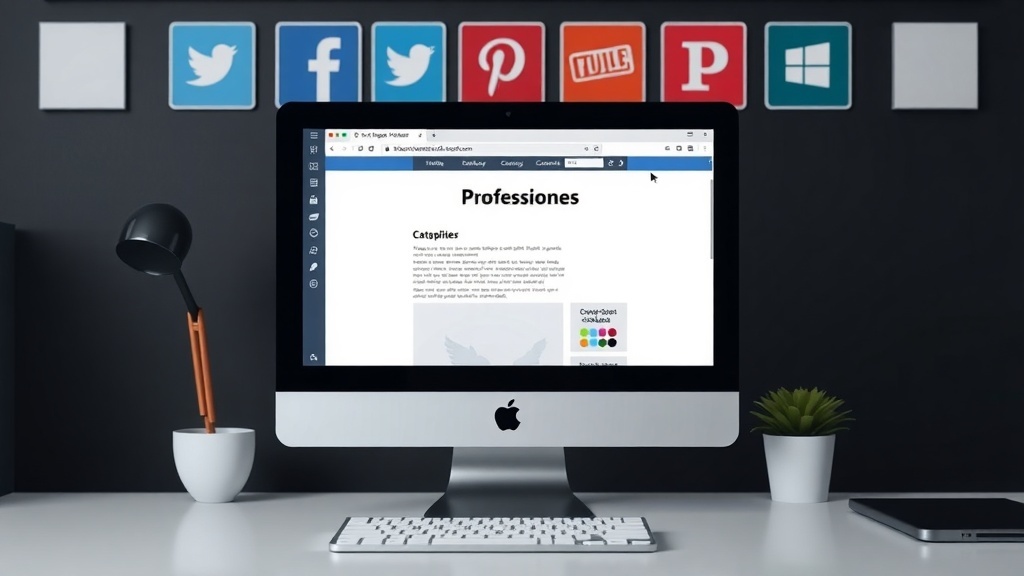
Creating a strong online presence is key to starting your work-from-home business. The image shows a computer screen displaying a website, surrounded by social media icons. This highlights the importance of having a digital platform where you can connect with potential clients.
First, choose a user-friendly website builder. This will help you create a professional-looking site without needing coding skills. Make sure your website clearly explains what you offer. Use simple language and engaging visuals to attract visitors.
Next, leverage social media. Platforms like Facebook, Twitter, and LinkedIn can help you reach a wider audience. Share valuable content related to your business. This builds trust and encourages people to engage with your brand.
Don’t forget about SEO. Optimizing your website for search engines can help potential customers find you more easily. Use relevant keywords in your content and ensure your site loads quickly.
Lastly, consider starting a blog. This can position you as an expert in your field. Share tips, insights, and updates about your business. Regular posts keep your audience engaged and improve your site’s visibility.
Developing a Marketing Strategy

Creating a marketing strategy is key to your work-from-home business. The image shows a vibrant brainstorming session with sticky notes and ideas laid out clearly. This visual representation highlights the importance of organization and creativity in your planning process.
Start by identifying your target audience. Knowing who you want to reach will help shape your messaging and marketing channels. Use colorful sticky notes like in the image to jot down ideas about your audience’s preferences and behaviors.
Next, think about the platforms you want to use. Social media, email marketing, and content creation are all great options. Each sticky note in the image represents a different tactic or idea. Don’t hesitate to experiment with various methods to see what resonates with your audience.
Finally, measure your results. Track what works and what doesn’t. This will help you refine your strategy over time. The organized layout in the image serves as a reminder that clarity and structure can lead to better outcomes in your marketing efforts.
🚀 See How Stay At Home Moms Are Making 5 Figures Working From Home (Our Choice)
Identifying Your Niche Market

Finding your niche market is a key step in starting a work-from-home business. The image shows a person sitting at a desk, surrounded by notes and ideas pinned to the wall. This visual represents the brainstorming process that many entrepreneurs go through when identifying their target audience.
Look closely at the notes. They contain various phrases and questions that spark creativity and help focus on specific areas of interest. This is a great reminder that your niche should align with your passions and skills. Think about what you enjoy doing and how it can solve a problem for others.
Consider the questions on the wall. They can guide you in narrowing down your options. Ask yourself: What do you love? What are people looking for? This will help you find a market that is not only profitable but also fulfilling.
Don’t hesitate to jot down your thoughts and ideas, just like the person in the image. Writing things down can clarify your vision and lead you to discover your unique offering. Remember, the right niche can set the foundation for a successful business.
Setting Up a Productive Home Office

Creating a productive home office is key to running a successful work-from-home business. The image shows a well-organized workspace that balances comfort and functionality. A clean desk with a computer and a comfortable chair invites focus and creativity.
Notice the wall art that adds personality to the space. Motivational quotes can inspire you throughout the day. Plants bring a touch of nature indoors, promoting a calming atmosphere. Good lighting is essential, and the lamps in the image provide just that, making it easier to work during different times of the day.
Storage is also important. The combination of drawers and shelves keeps everything tidy and accessible. This setup encourages you to stay organized, which is crucial when working from home. A dedicated workspace helps separate your professional and personal life, making it easier to concentrate on tasks.
Utilizing Digital Tools for Efficiency

Starting a work-from-home business can be exciting, and having the right digital tools makes it easier. The image shows a computer screen filled with various app icons. Each icon represents a tool that can help streamline your work process.
These digital tools range from project management apps to communication platforms. They help you stay organized and connected with clients and team members. For example, using a project management tool can keep your tasks in order, while communication apps help you chat or video call without hassle.
Investing time in finding the right tools can save you hours in the long run. You want to choose apps that fit your workflow and make your daily tasks smoother. Don’t hesitate to try out a few options to see what works best for you.
Remember, the goal is to enhance your productivity. With the right digital tools, you can focus more on growing your business and less on managing it.
Balancing Work and Personal Life

Starting a work-from-home business can be exciting, but it also comes with its own set of challenges. One of the biggest hurdles is finding the right balance between work and personal life. The image shows a serene space where someone is meditating, which highlights the importance of taking time for yourself.
Creating a dedicated workspace at home is essential. It helps to separate your work life from your personal life. This can be a corner of a room or a whole office. Make it comfortable and inspiring, just like the cozy setting in the image.
Incorporating breaks into your day is key. The person in the image is taking a moment to meditate, which is a great way to recharge. Short breaks can boost your productivity and keep stress levels in check.
Don’t forget to set boundaries. Let family and friends know your work hours. This way, you can focus on your tasks without interruptions. The calm environment in the image suggests a peaceful mindset, which is important for maintaining focus.
Lastly, remember to schedule personal time. Whether it’s reading a book, going for a walk, or just relaxing, these moments are vital. Balancing work and personal life will lead to a happier and more productive you.
🚀 See How Stay At Home Moms Are Making 5 Figures Working From Home (Our Choice)